A bush hog (rotary cutter) and a flail mower both cut vegetation that a regular lawn mower may struggle with, but they use different cutting mechanisms and leave different results. For an overgrown open field, a rotary cutter is often the practical starting point. If a finer, more even cut is the main goal, a flail mower may be worth considering. Neither is a substitute for clearing substantial trees or preparing a building pad.
The useful question for a Southwest Ohio property owner is not which machine sounds more powerful. It is what is growing on the site, what may be hidden in it, and what you need the ground to look like afterward. Cornelius Forestry and Land Management offers bush hogging for fields, pastures, and rural acreage. This guide compares equipment types; it does not imply that Cornelius offers a separate flail-mowing service.
How the cutters differ
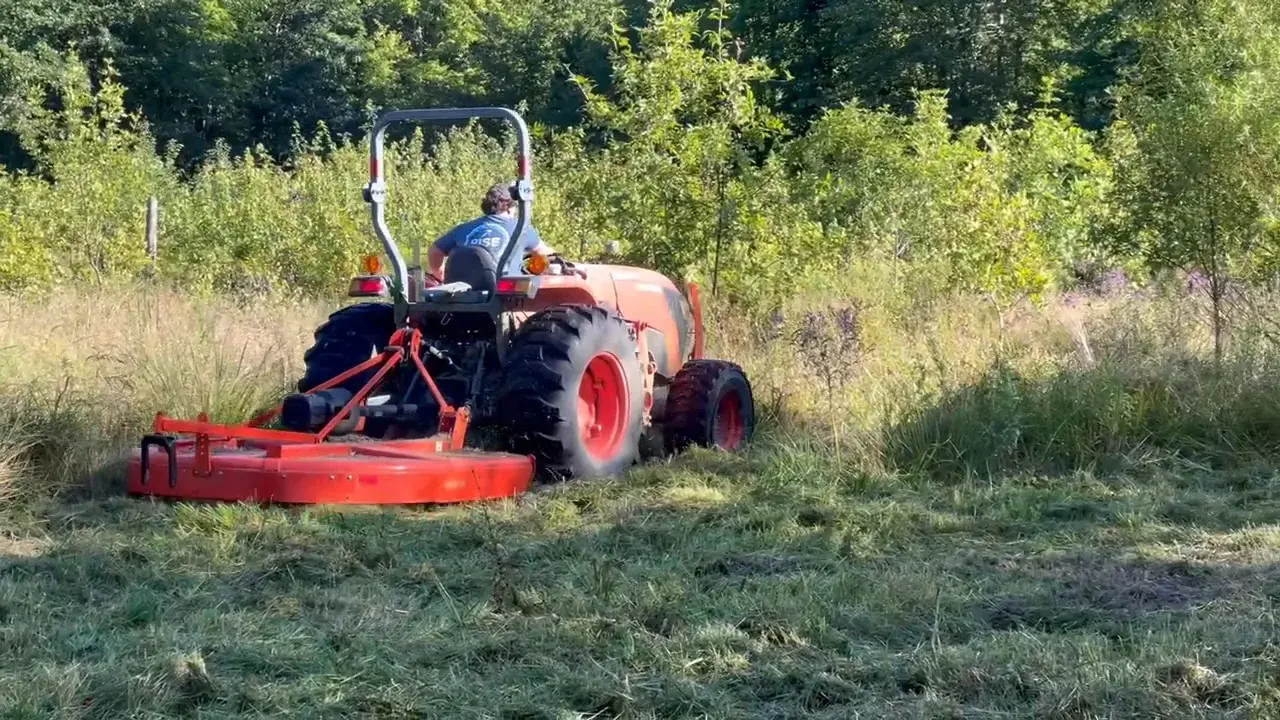
A rotary cutter uses a horizontal spinning deck with blades that swing through vegetation. The machine described on Cornelius’s bush-hogging service page is a tractor-mounted rotary cutter driven by the tractor’s power take-off. It knocks down tall grass, weeds, briars, and light brush, then leaves the cut material on the field. The exact material it can handle depends on the machine model and site conditions; a label like “bush hog” is not a promise that it can safely cut any sapling.
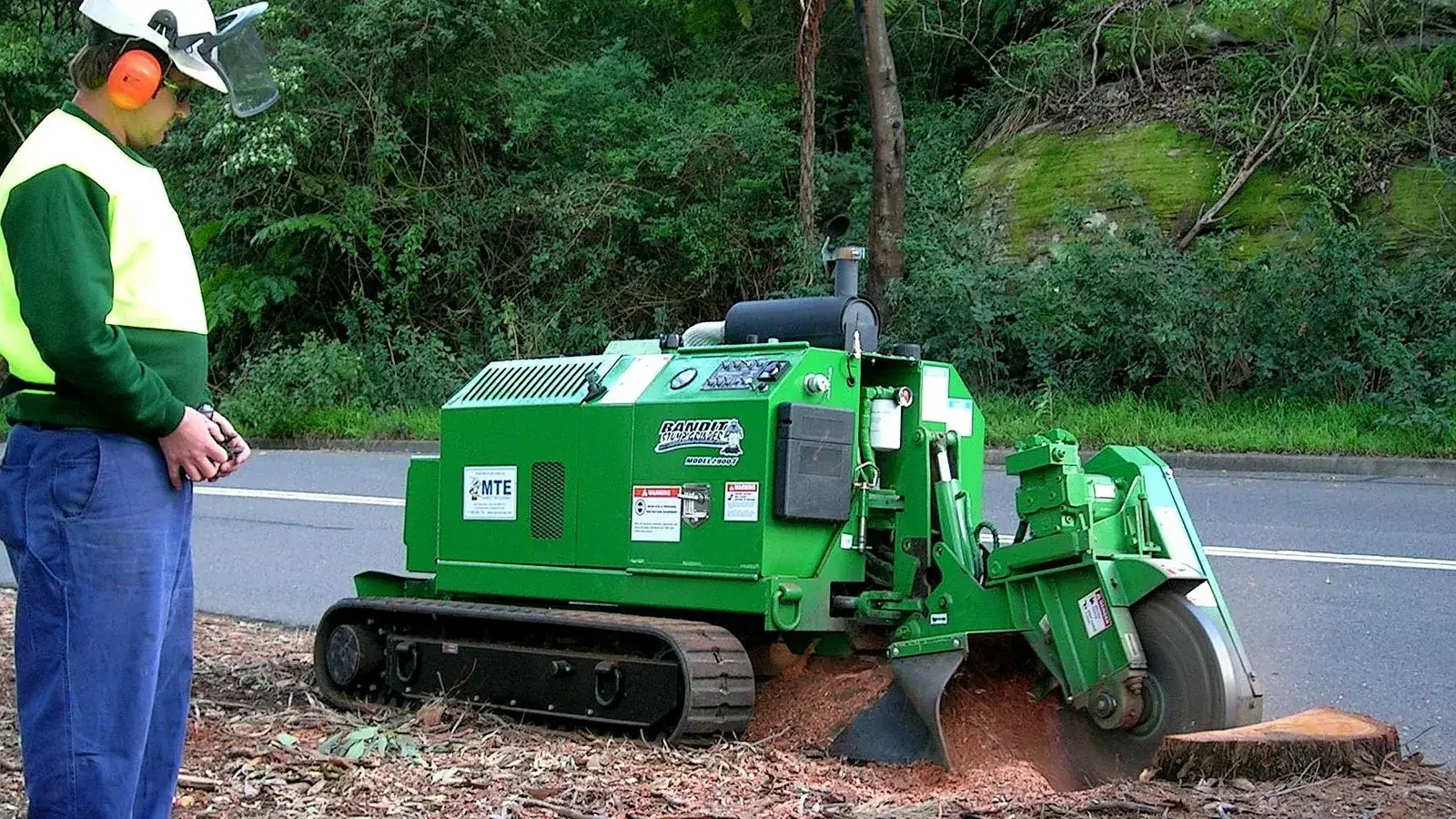
A flail mower uses many smaller cutting elements mounted on a rotating horizontal shaft. As the shaft turns, the flails strike and chop vegetation. The finish can be more evenly shredded than a rough rotary cut, although the result varies by mower, blade setup, vegetation, travel speed, and the number of passes. Both are maintenance or reclamation tools, not general-purpose tree-removal equipment. For examples of the different equipment categories, see the manufacturer’s rotary-cutter and flail-mower ranges; these are equipment references, not an inventory of Cornelius’s machines.
The short version: Choose based on the ground and the desired finish, not the name on the machine. A rough field cut and a closely managed edge are different jobs.
Which works better for an overgrown field?
For a relatively open field with tall grass, weeds, and manageable light brush, bush hogging is often a sensible first pass. Cornelius specifically describes this service for overgrown pastures, fence lines, farms, and residential acreage around Goshen. A contractor still needs to inspect the field: hidden wire, rocks, stumps, ruts, or steep ground can change the plan before a blade turns.
A flail mower may make more sense where the desired finish is more uniform and vegetation is within that particular machine’s limits. It should not be assumed to be the better choice for dense woody growth simply because it chops material differently. A comparison made from photos alone can miss the obstacle under the grass or the size of the stems.
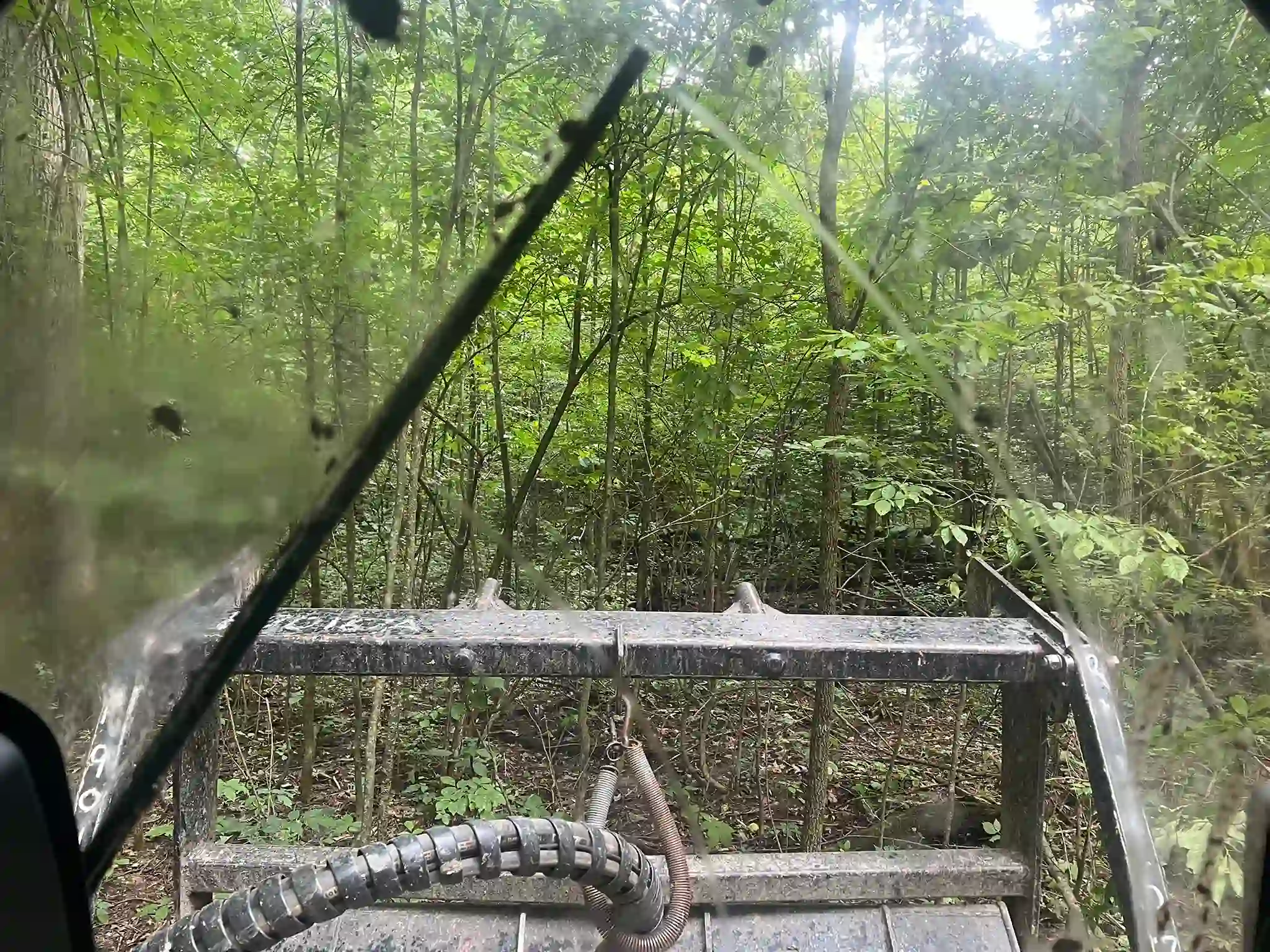
If the tract has larger trees, dense woody brush, or material outside the cutter’s rating, the answer may be neither mower. Cornelius also offers forestry mulching for heavier vegetation. If the objective is construction-ready land rather than a maintained field, the project may need clearing, stump work, grading, or other site preparation after vegetation cutting.
What about fence lines and narrow edges?
Access matters as much as blade type. Fence posts, gates, ditches, wet spots, and nearby structures affect the safe path of any tractor and mower. A finer-looking cut is not a reason to put a machine into an unsafe space. Show the contractor the exact line you want maintained and identify obstacles that might not show in a photograph.
How do the cut and cleanup compare?
A rotary cutter is usually chosen to bring coarse, tall vegetation down rather than produce a lawn-like finish. Cut material remains on site unless removal is part of a separately agreed scope. A flail mower can break material into smaller pieces, but “smaller” does not mean the field is automatically ready to seed or that all debris disappears. Heavy growth may still leave a visible layer of cut material, and either approach can need another pass or follow-up work.
If you want a tidy entrance, a usable pasture, or a path that can be maintained later, describe that outcome when requesting a quote. Ask what will be cut, what will remain, whether obstacles must be moved first, and whether any cleanup or return visit is included. A quote for a first reclamation cut should not be confused with a quote for routine mowing of an already maintained field.
Can you mow over an unknown field?
Do not assume an unseen field is clear of hazards. Mark or identify known wells, irrigation parts, fencing, scrap, drainage features, and buried structures before equipment arrives. If the project will also involve soil disturbance or excavation, use Ohio 811’s homeowner guidance to plan the utility-locate step; a mowing-only visit and a digging job are not the same operation. The operator must assess the site and the machine’s limits rather than relying on a generic online rule.
A practical decision checklist before you book
The right equipment recommendation follows the intended use of the land. Tell the contractor:
- What is growing: grass, weeds, briars, saplings, or larger woody growth, and whether growth is patchy or continuous.
- How much ground needs cutting: the approximate acreage and the exact boundaries; a map and clear access point help more than a vague “back field.”
- What might be hidden: rocks, wire, old posts, stumps, ditches, wet patches, or debris. Do not promise a clear site if you cannot see the ground.
- What finish you need: a one-time rough cut, recurring pasture maintenance, a visible fence line, or a finer managed area.
- What comes next: grazing, routine mowing, a driveway, or construction. Cutting vegetation alone does not complete every later land-use step.
Cornelius’s published service process includes an assessment of what the field contains and whether bush hogging is suitable. That conversation is more valuable than choosing a machine based solely on a web comparison. There is no honest universal winner: access, density, machine rating, and the desired result can change the answer.
Frequently asked questions
Is a bush hog the same as a flail mower?
No. A bush hog is a rotary cutter with a spinning horizontal cutting deck; a flail mower uses numerous cutting elements on a rotating shaft. Both can mow vegetation, but their mechanisms and typical finish differ.
Will bush hogging leave my field looking like a lawn?
Not necessarily. Bush hogging is a rough-cut service for vegetation a finish mower may not handle. The result depends on the starting growth and site; ask what cut height, material left behind, and follow-up work to expect.
Can either machine remove trees and stumps?
No. A mower is not a substitute for tree clearing or stump removal. If woody growth exceeds the cutter’s rating or stumps must come out, ask for a separate assessment of mulching, clearing, or stump work.
Does Cornelius offer flail mowing?
Cornelius’s published service page confirms bush hogging with a tractor-mounted rotary cutter. It does not advertise a separate flail-mowing service. Ask the team about your property and the appropriate available service rather than assuming a particular attachment is offered.
Ask for the right result, not just a machine
For an open overgrown field, bush hogging may be the straightforward choice; for a finer cut, a flail mower may have a place if it suits the site and is actually available. Neither tool makes unknown debris safe or turns a rough tract into finished construction ground in one pass. Show Cornelius what you want the property to become, and ask for a property-specific recommendation. Request a free on-site estimate for bush hogging or other land-management work in Southwest Ohio.